Decanting vs. Carafing
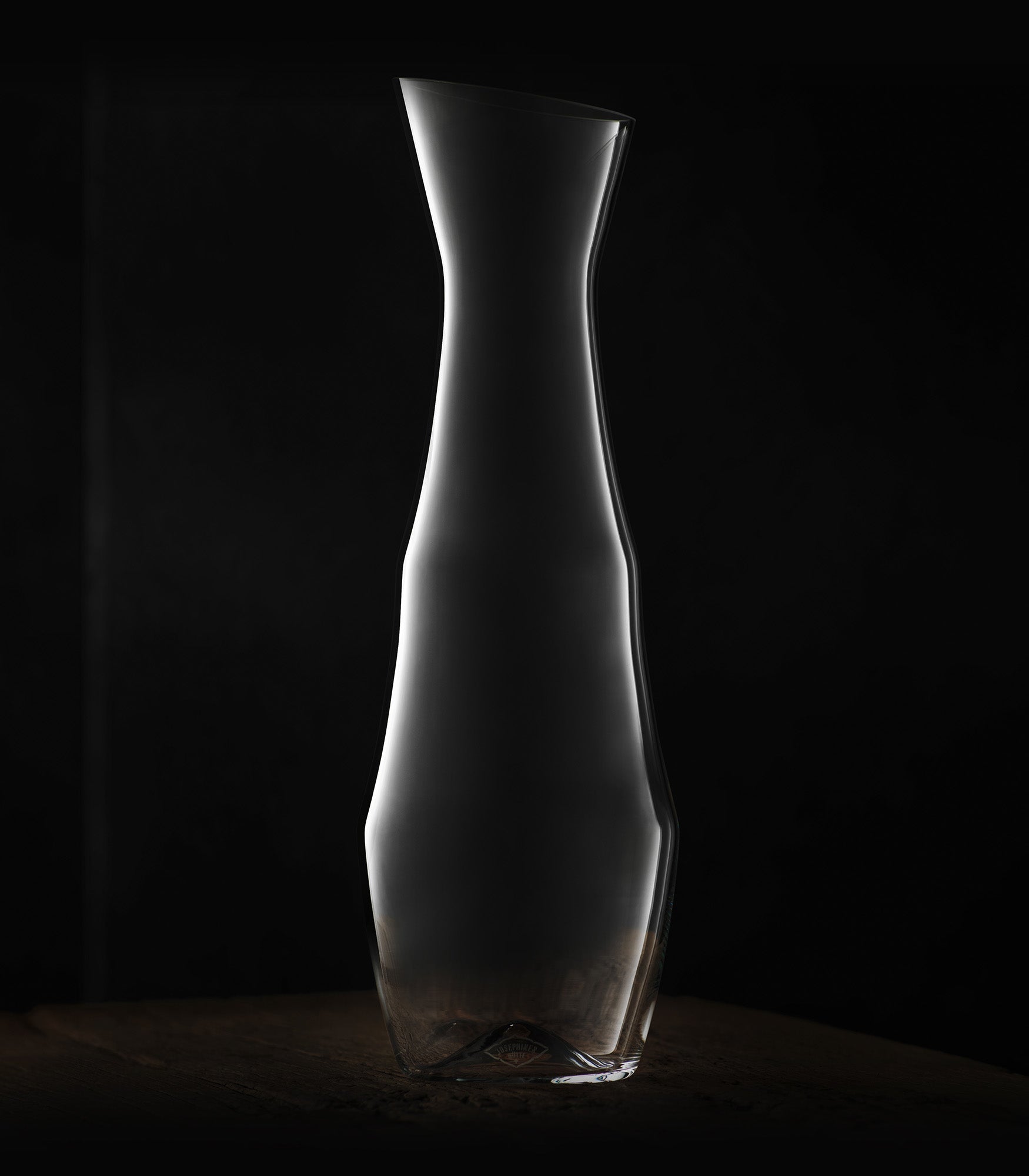
When decanting, a mature wine or one with lees is separated from its sediment to prevent it from ending up in the glass and diminishing the wine’s enjoyment.
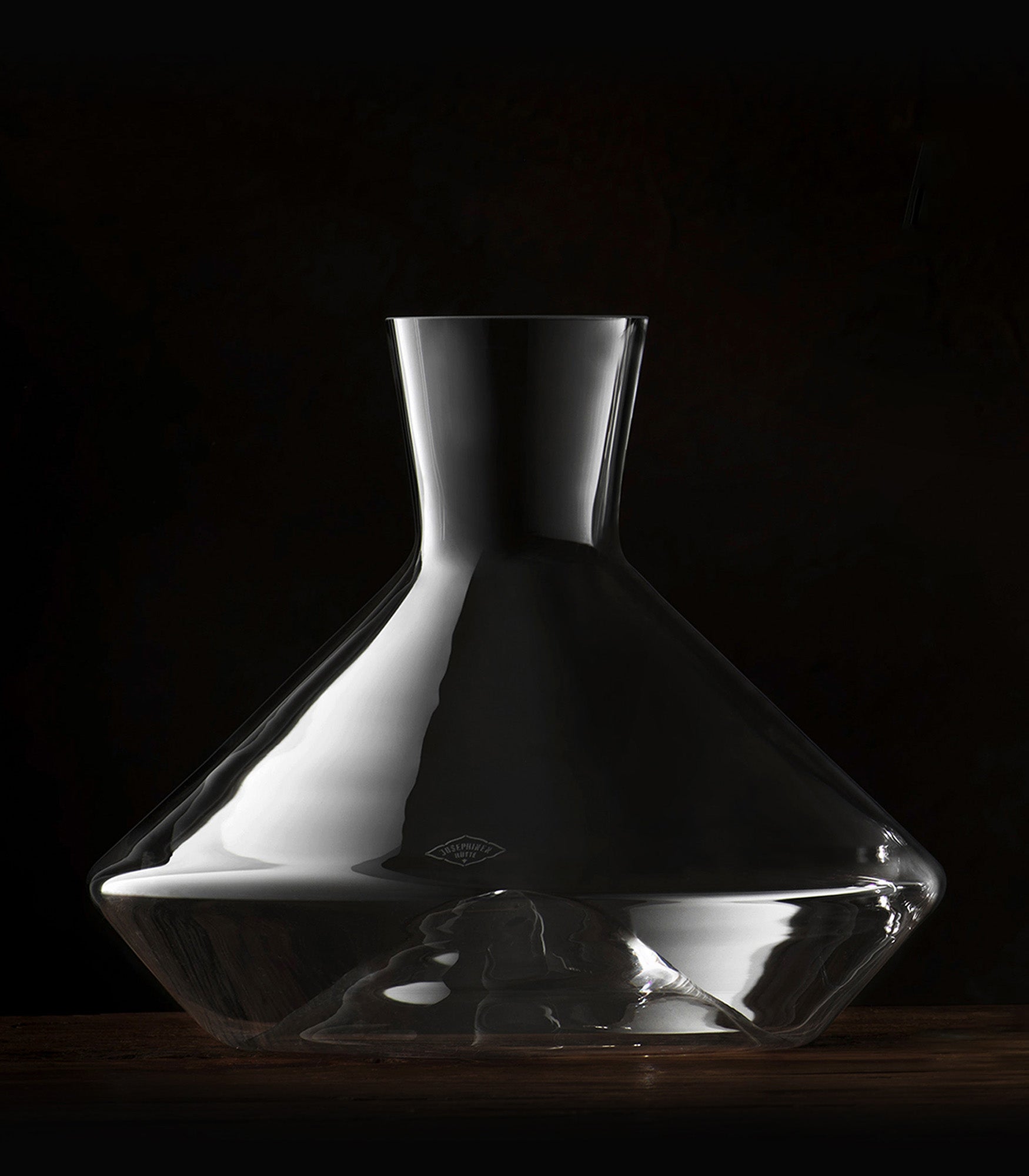
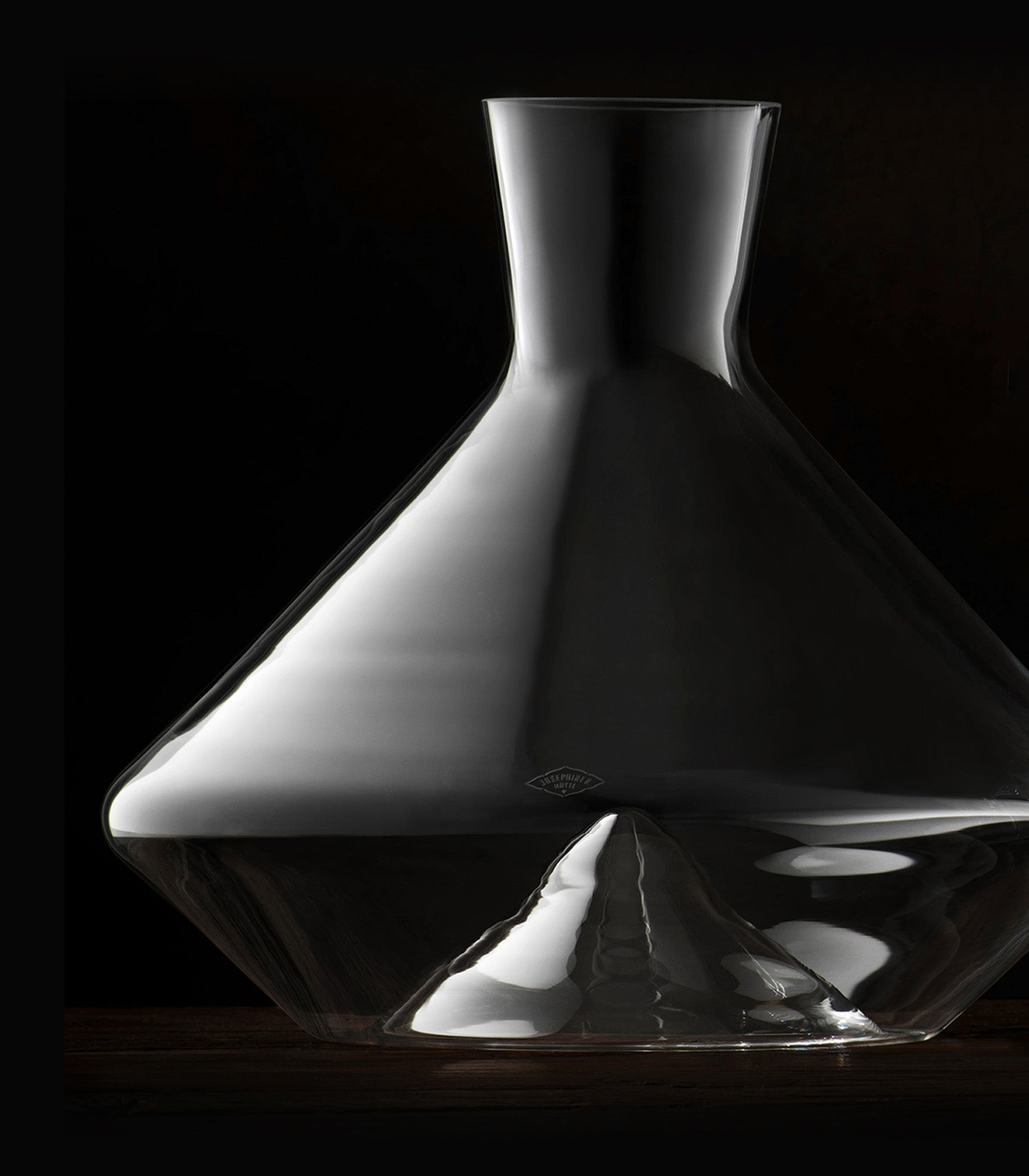
The purpose of carafing is to aerate a wine by pouring it into a vessel with a larger surface area, allowing it to interact more quickly with oxygen. The focus here is on removing undesirable aromatic components (through evaporation) and transforming structural and aromatic compounds (through oxidation). Carafing is especially beneficial for wines that have not yet reached their full aging potential, as it helps accelerate their development.
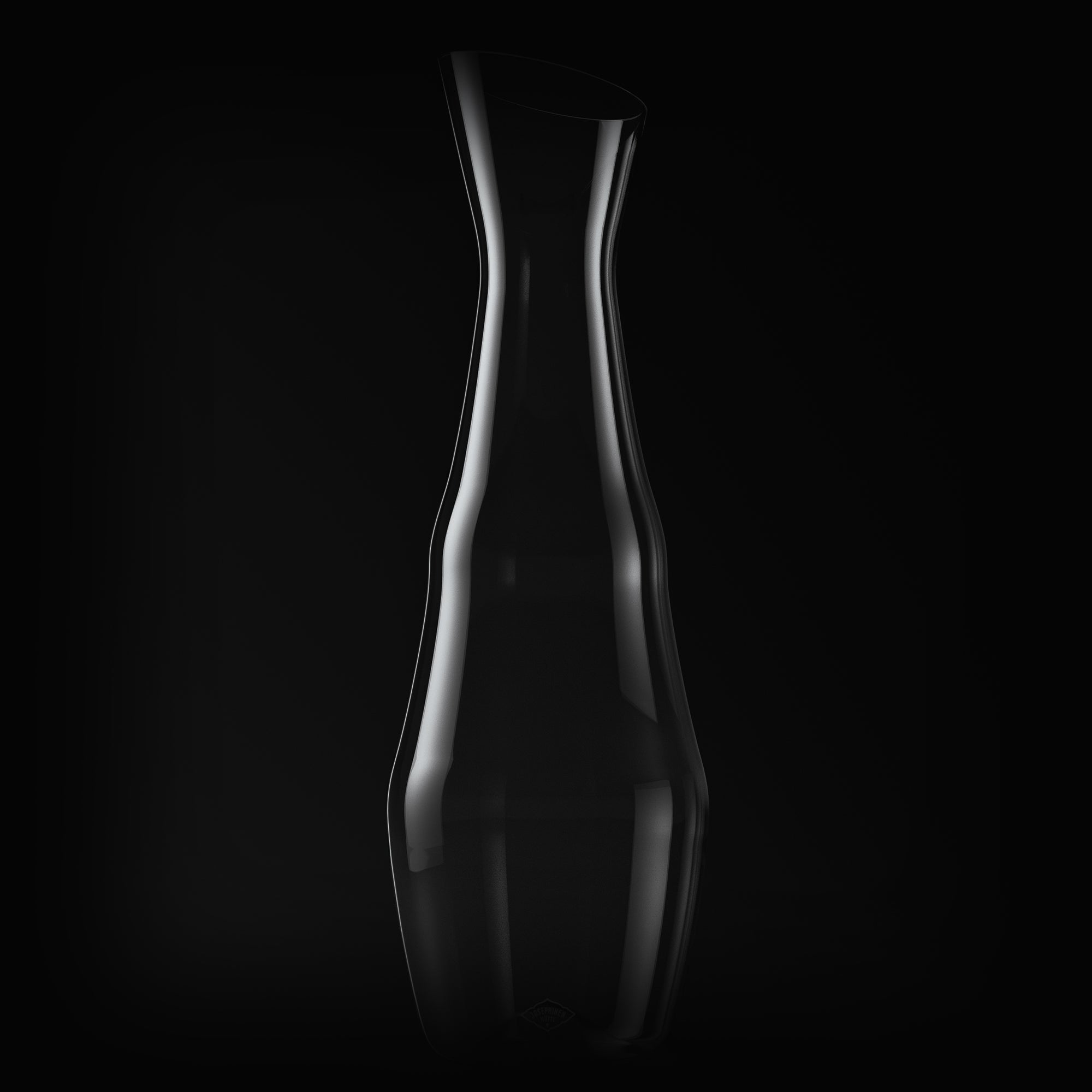
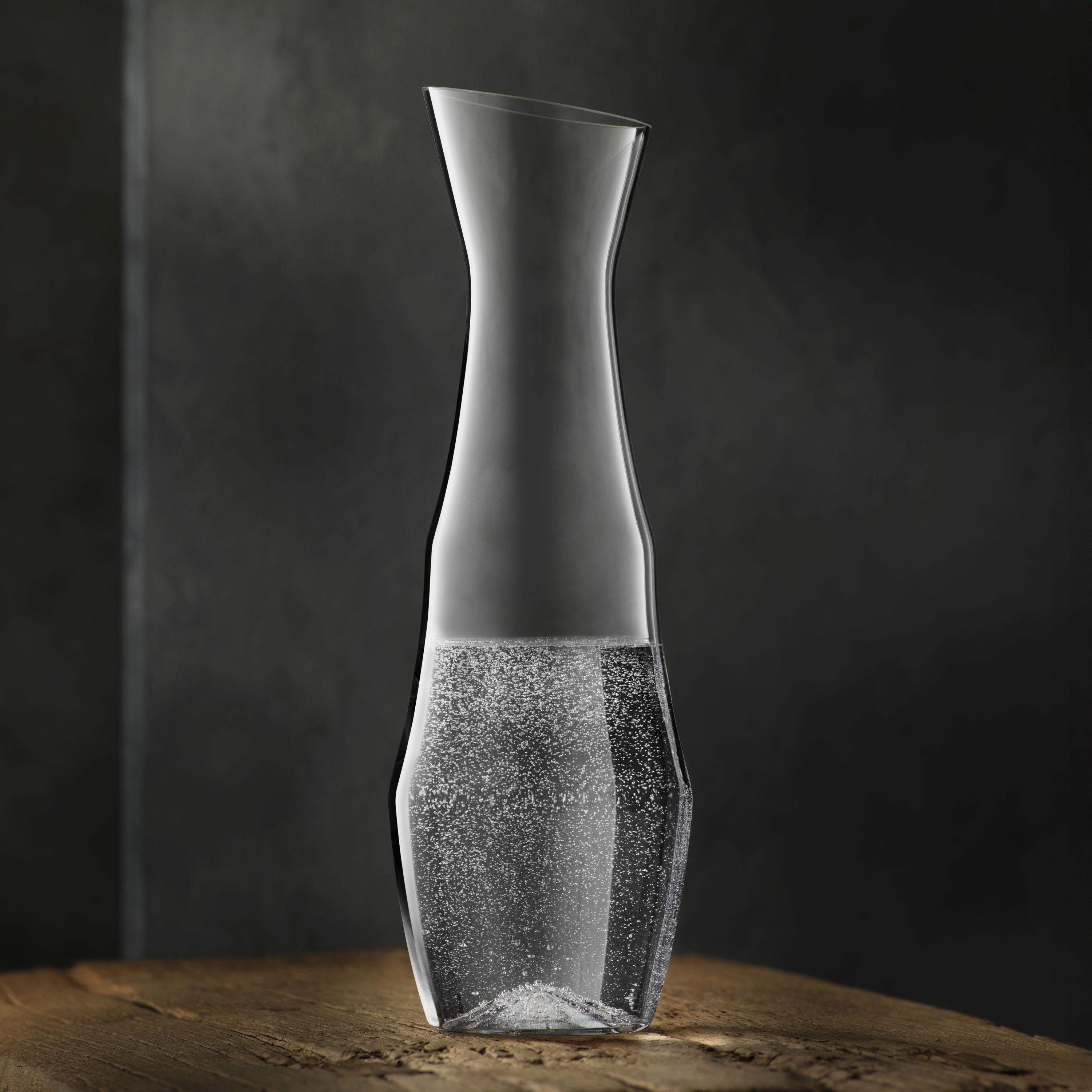
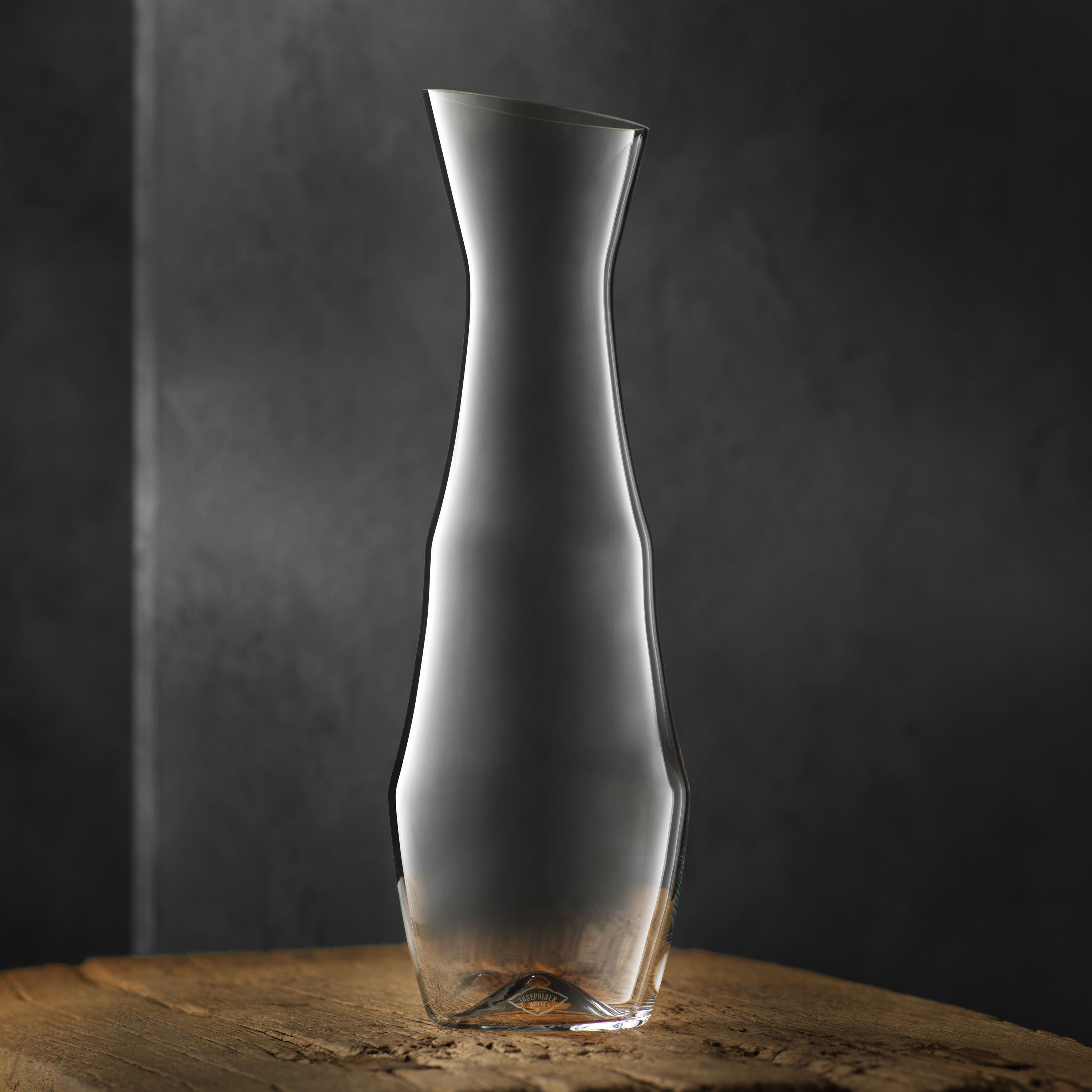
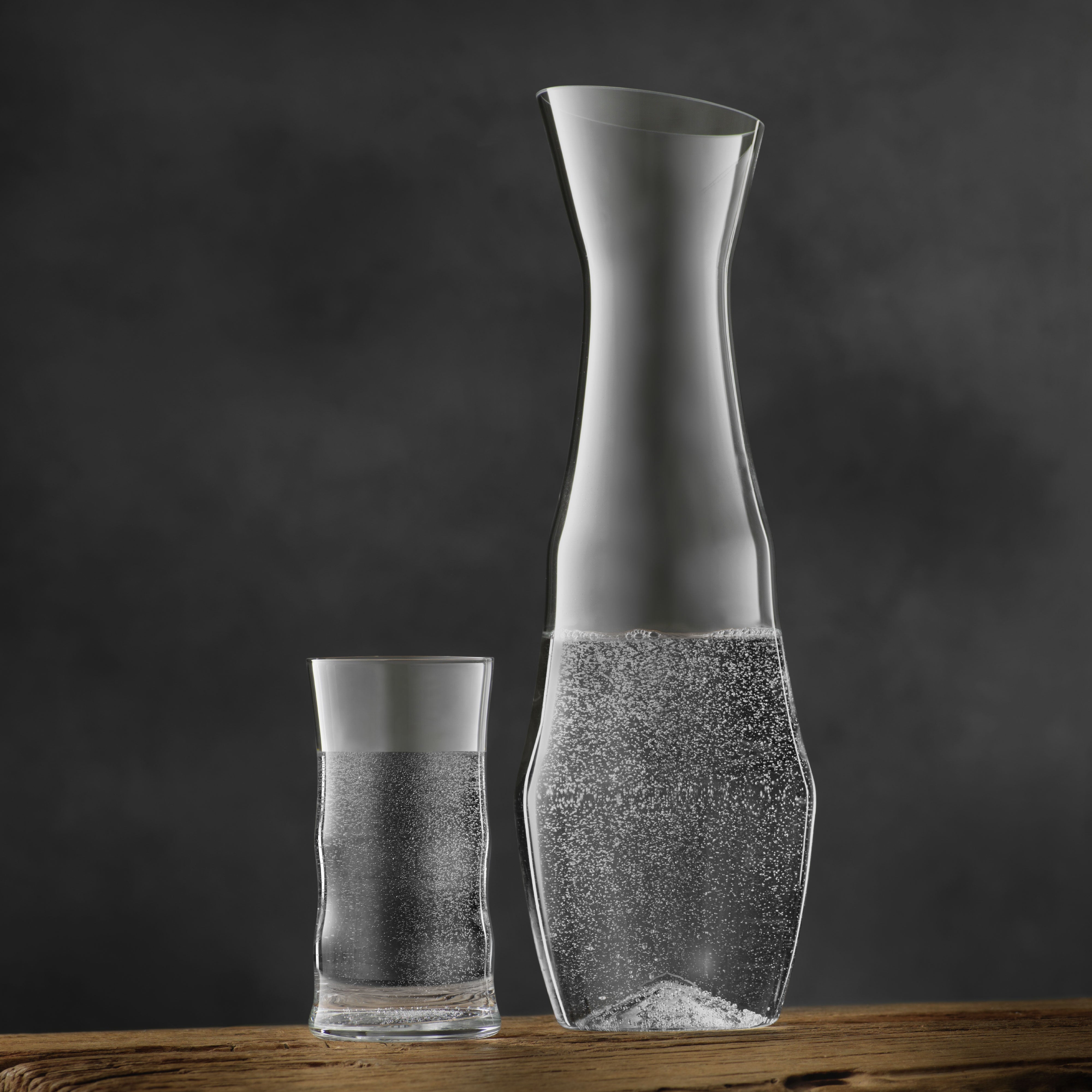
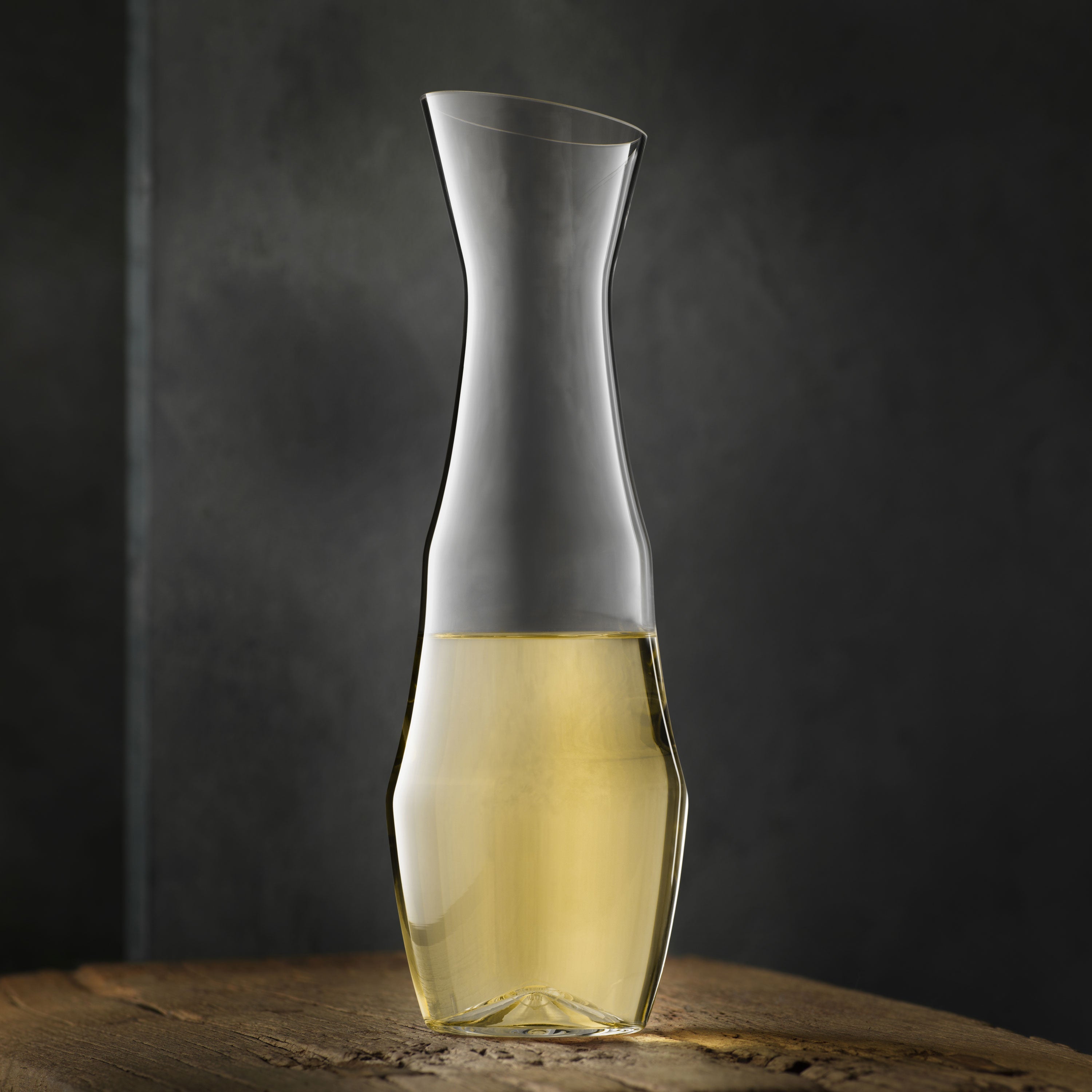
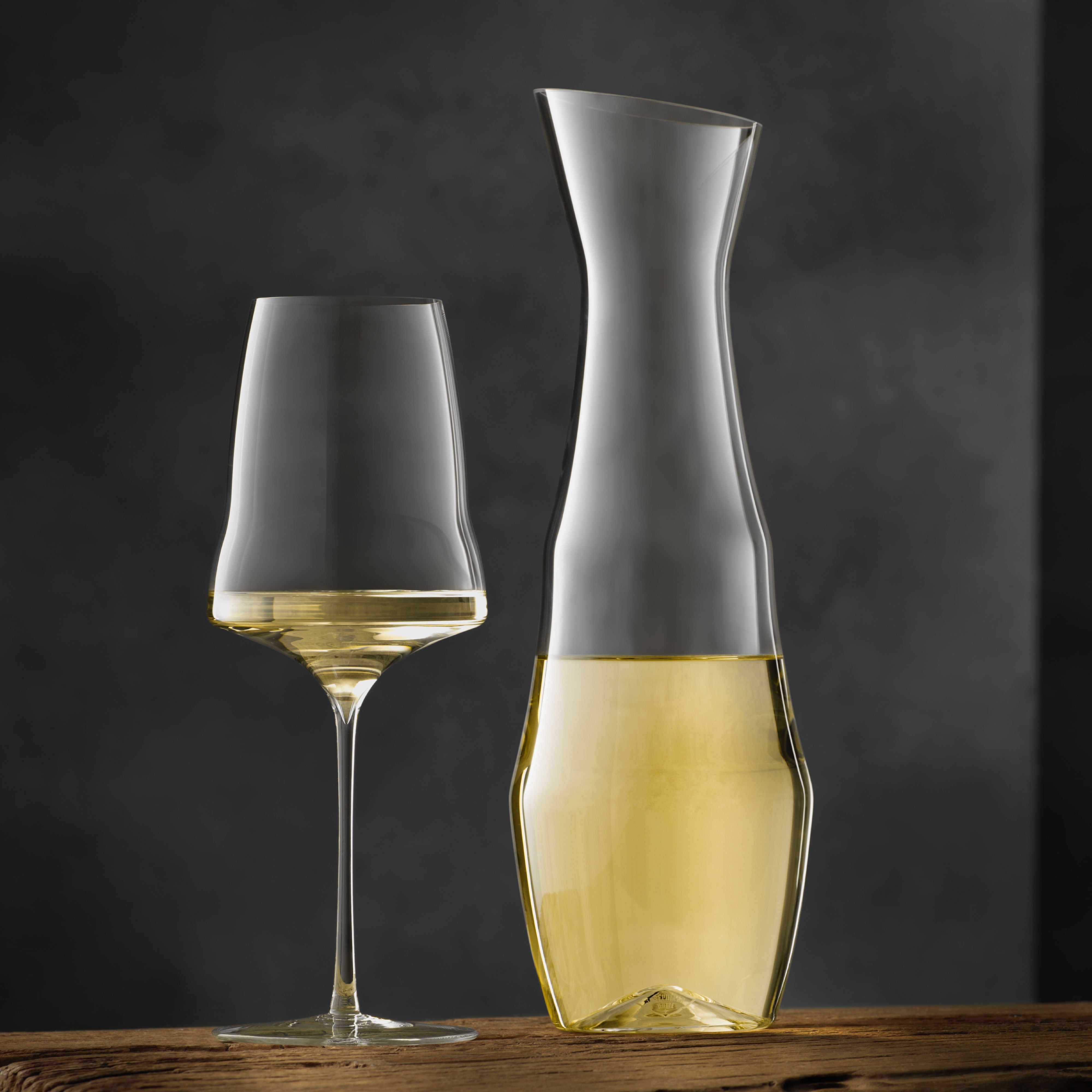
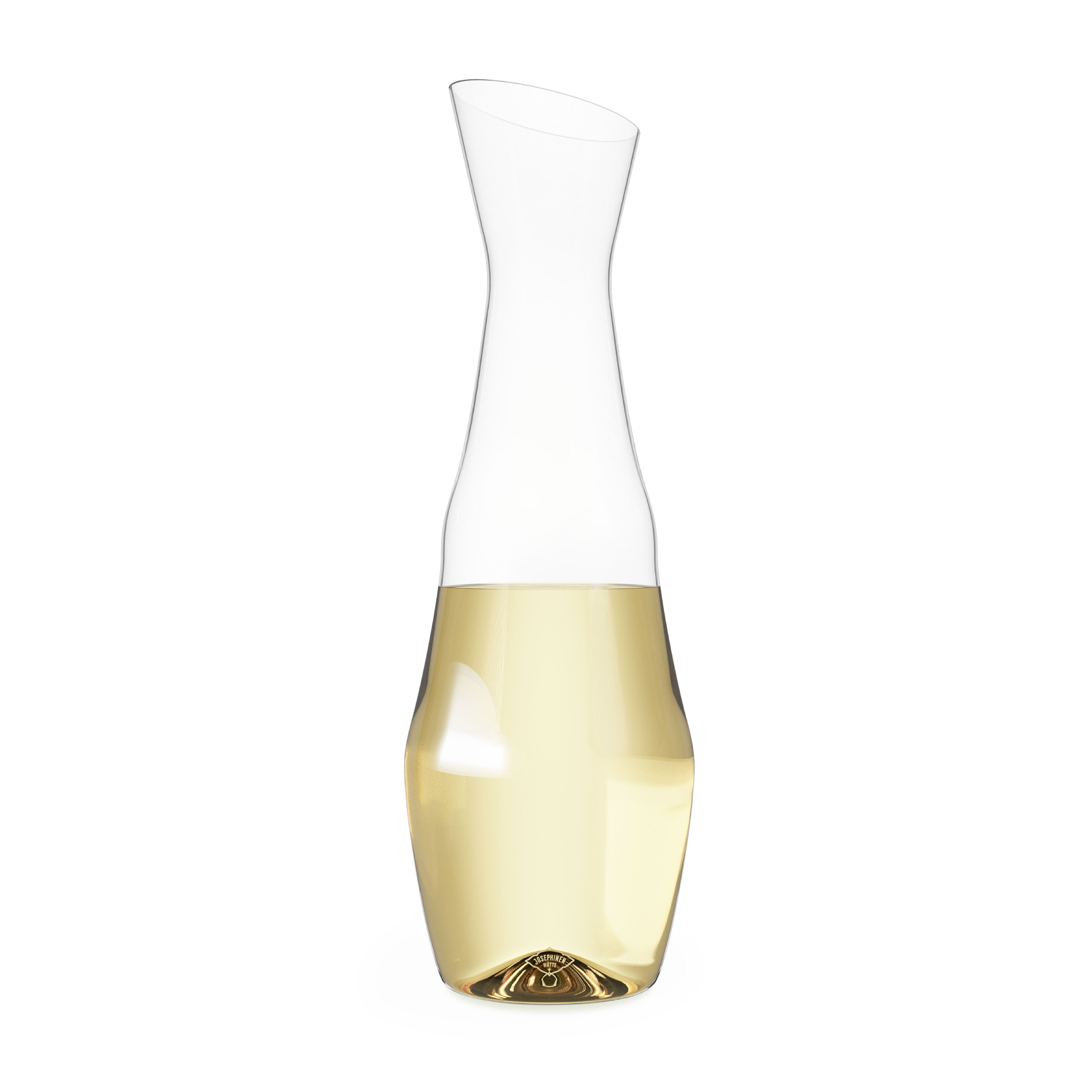
Another reason — often underestimated — for transferring a wine into a different vessel is the visually striking presentation of special wines.
Our Use of the Terms “Decanter” & “Carafe”
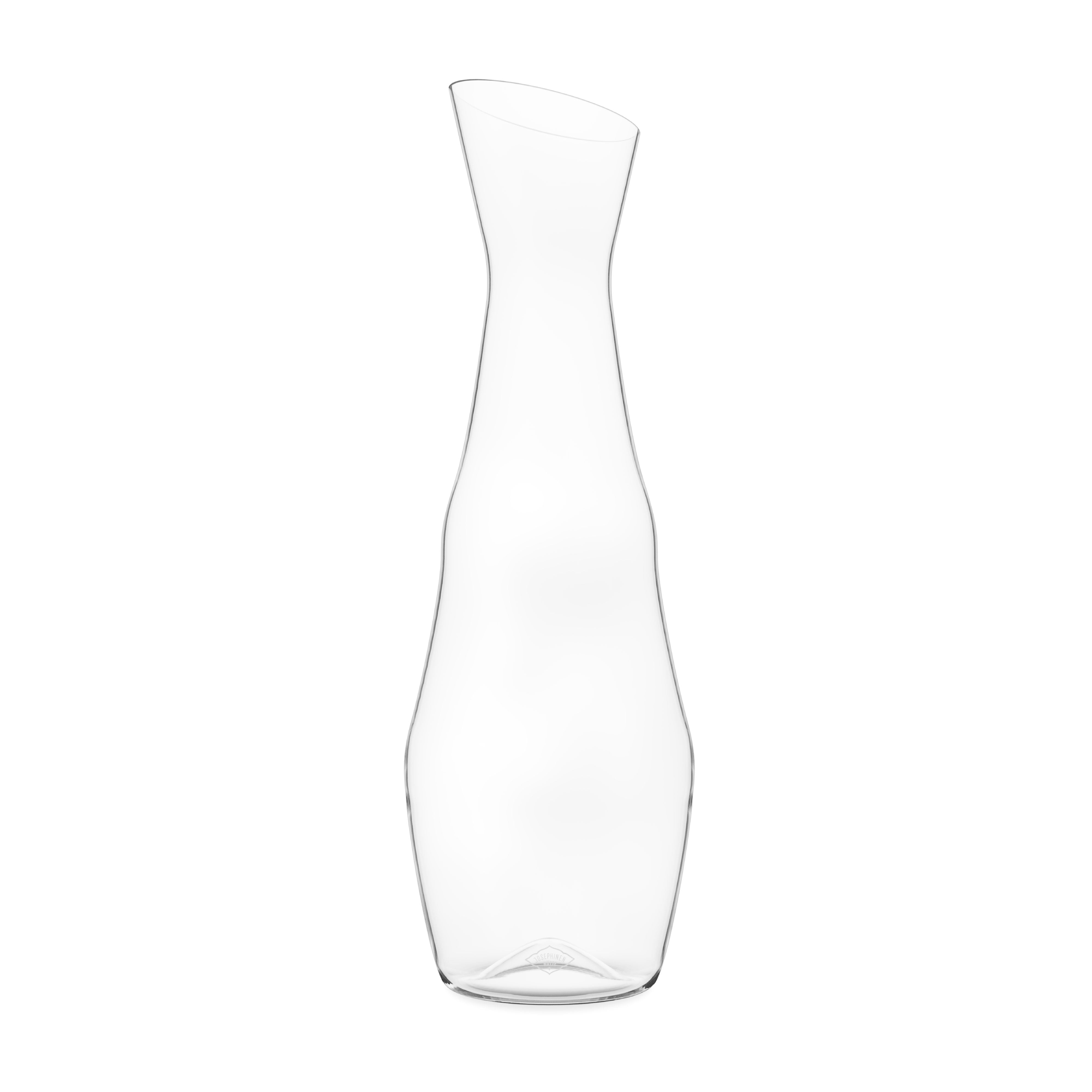
From a purely functional perspective, our decanter should technically be called a carafe, and vice versa—since we use the decanter for carafing (aerating) and the carafe for decanting (separating sediment). In practice, however, the terms decanter and carafe are often used synonymously and without distinction.
As a brand, our philosophy is to keep enjoyment simple and approachable, not overly complicated or dogmatic. That’s why we’ve chosen to name our products in line with the more common usage of these terms.